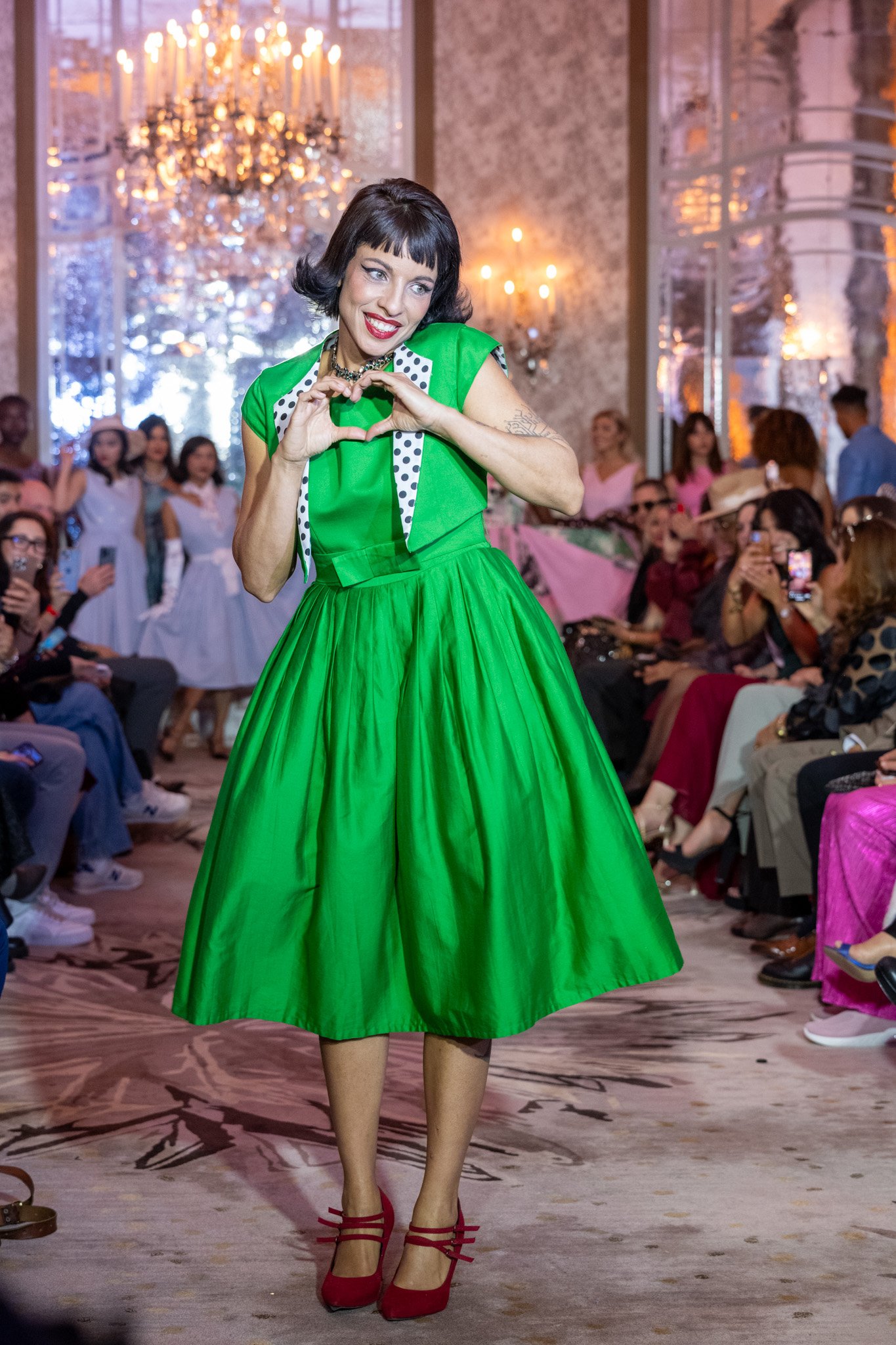
There are moments in fashion when a shift is not gradual — but immediate. A rupture. A reimagining. A new language entirely. At just 28, Victoria Amerson has authored such a moment. An American-Austrian designer based in Vienna, Amerson has accomplished in a single year what many houses spend decades refining: not merely a signature, but a new format. Not just a collection — but a concept. The runway, as we knew it, has been rewritten.
From Dream to Debut
The story begins not in a studio, but in a dream. On the eve of her debut at London Fashion Week during Fashion Days London, Amerson envisioned something radical: a runway that would move, breathe, and perform. Not a procession — but a narrative. By morning, the vision refused to fade. Within hours of the show, choreography replaced convention.“One hour before the show, Victoria stopped everything,” recalls choreographer Francis Cardoso. “She asked the models to abandon the traditional walk. She began to move — twirling, directing, reshaping the entire presentation. What emerged were not models, but living mannequins, awakening one by one.” What unfolded that evening was not a show — it was a scene.
When the Runway Began to Move
Midway through the presentation, the atmosphere shifted.The expected cadence of catwalk music dissolved into the theatrical swell of Broadway. I Enjoy Being a Girl filled the space. The audience — once passive — leaned forward. Smiles spread. Applause followed rhythm. The models did not walk. They danced. Each entrance became a vignette. Each garment, a character. Each step, a story. It was, unmistakably, the birth of something new: the cinematic runway.
A New Language of Fashion
Amerson’s subsequent presentations deepened the narrative. Couples appeared on the runway — interacting, emoting, performing. The static gaze of fashion transformed into dialogue. Movement became meaning. At the same time, her aesthetic quietly reshaped the visual landscape. Polka dots, picnic plaids, and mid-century silhouettes — once relegated to costume — returned with conviction. Her now-signature black dress with triple bows reintroduced a femininity that felt both nostalgic and newly relevant. Trends did not precede her. They followed.
A Global Ascent
London was only the prologue. Within months, Amerson’s work traveled across fashion capitals and cultural hubs — Milan, Paris, New York City, Cannes — marking an unusually rapid ascent for a debut designer. At the LA Fashion Closet premiere in Cannes, she extended her vision further: male models appeared as cinematic counterparts — old Hollywood figures in tailored suits, performing romance alongside the women. The runway became a film still in motion. Love, narrative, and nostalgia were no longer subtext — they were central. Amerson does not simply design garments. She stages worlds.
Casting the New Era
By New York Fashion Week 2026, the shift was undeniable. At a widely attended casting alongside Chris Lavish, Amerson once again challenged convention. “She stopped the standard walk and asked models to smile — to dance,” Lavish recalls. “At first, I thought it was madness. Then I understood: it was vision.” The result was a runway that felt disarmingly human. Joy replaced detachment. Expression replaced uniformity. Her show became one of the most talked-about presentations of the week. Featuring appearances from Gazini Ganados and Miss Universe DR Congo finalists, the collection blended global influences — including subtle Asian references — with her signature mid-century codes. The response extended beyond the runway. “I attended countless shows that week,” noted one Hollywood guest. “Yours is the only collection I remember.”
From Influence to Origin
Fashion often evolves through influence — but true reinvention is rare. Victoria Amerson’s cinematic runway language — rooted in choreography, storytelling, and emotional movement — has already begun to shift the visual rhythm of modern fashion presentations. What once felt unconventional now appears across runways worldwide: models interacting, movement replacing rigidity, and garments coming alive through performance rather than procession. By Bridal Fashion Week 2026, subtle echoes of this evolution could be seen throughout presentations from established houses, where synchronized movement, theatrical pacing, and narrative-driven staging suggested a broader transformation within the industry. The shift may appear quiet — but its impact is undeniable. Because in fashion, influence rarely announces itself loudly. It reveals itself gradually: in another city, on another runway, through another collection. And those paying attention know exactly where the conversation began.
A Movement, Not a Moment
Victoria Amerson is not building a brand in the conventional sense. She is constructing a movement — one that replaces rigidity with fluidity, distance with emotion, and spectacle with storytelling. Her work recalls a longing for another era — mid-century optimism, color, romance — but reframes it through a contemporary lens. The result is not nostalgia, but transportation. A runway that feels less like observation — and more like immersion.
Cannes 2026: The Next Chapter
This evolution continues at Cannes Sustainable Fashion Week, held at the Palais Clément Massier on May 19–20, 2026. There, Amerson will unveil Elements of the Orient, a collection merging craftsmanship, sustainability, and narrative design. A showroom will follow, offering direct access to both archival and new pieces — and to the designer herself.
Singing in Style
In keeping with her cinematic ethos, the presentation will integrate live music — an element that feels less like accompaniment and more like narrative extension. The performance will premiere alongside the collection, featuring Polish-American singer-songwriter and pop artist Natalia Soborski, whose work mirrors the same emotional world Amerson has cultivated on the runway: atmospheric, nostalgic, and deeply cinematic. Raised between the Berkshires of Western Massachusetts and Poland, Soborski’s artistic language was shaped early by dual inheritances of classical discipline and romantic storytelling. Summer evenings at Tanglewood listening to the Boston Symphony Orchestra, her father’s record collection, and long road trips through Poland soundtracked by artists such as Marek Grechuta formed the emotional architecture of her work long before she began writing songs of her own. She studied violin from the age of six, performed soprano with the Massachusetts All-State Choir, and later graduated from Berklee College of Music with dual degrees in Vocal Performance and Songwriting. Today, Soborski creates moody, cinematic pop that blurs the line between classical composition and contemporary sound — using her violin as both anchor and wings. From her bilingual collaboration with French artist LA2S on Still Hope to recent releases including Publish My Diary and Fun n’ Games, her music transforms personal memory into something visually and emotionally expansive. The collaboration feels instinctive. Where Amerson builds narrative through movement and silhouette, Soborski composes it through sound and emotion. Both artists operate within worlds of atmosphere, longing, glamour, and reinvention — reviving romance not as nostalgia, but as experience. Together, they represent a new kind of creative convergence: fashion not merely shown, but felt. Music not simply heard, but embodied. A meeting of image and emotion. A convergence that defines the cinematic runway.
The Future, Already in Motion
Victoria Amerson does not wait for permission. She does not follow precedent. She creates — and the industry adjusts. The question is no longer whether the runway will evolve. It already has.
Discover more:
www.victoriaamerson.net
Instagram: @victoria.amerson.design
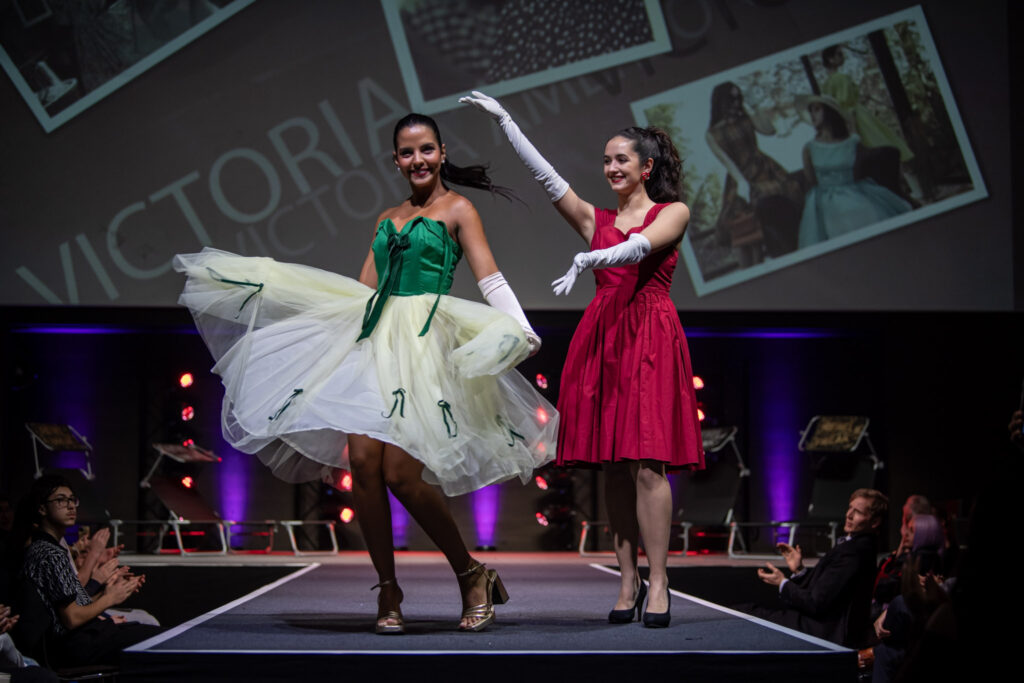
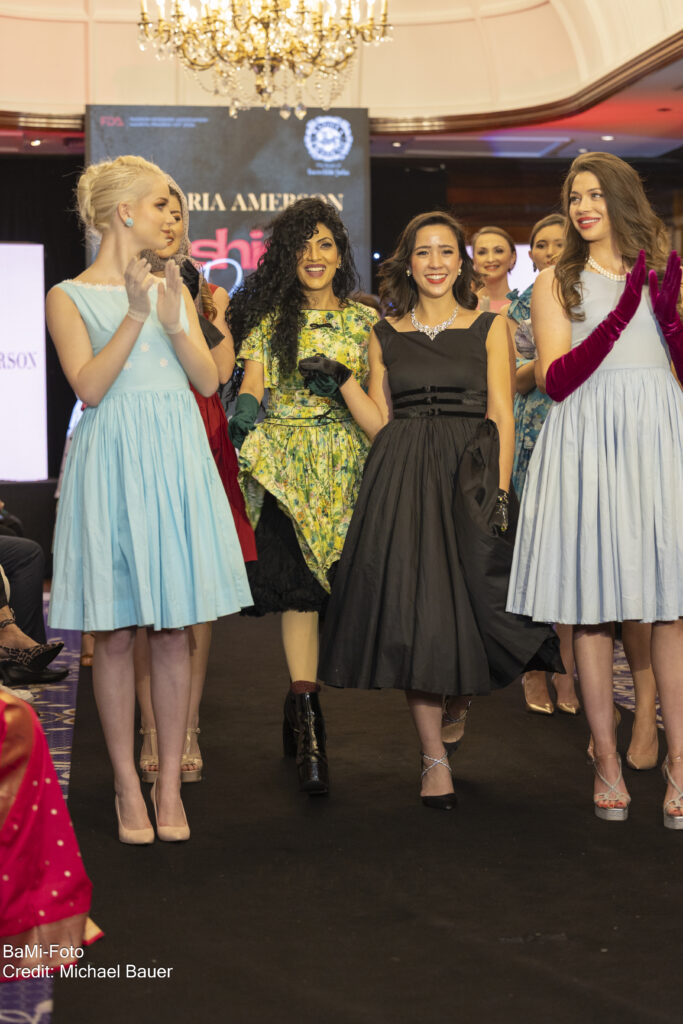
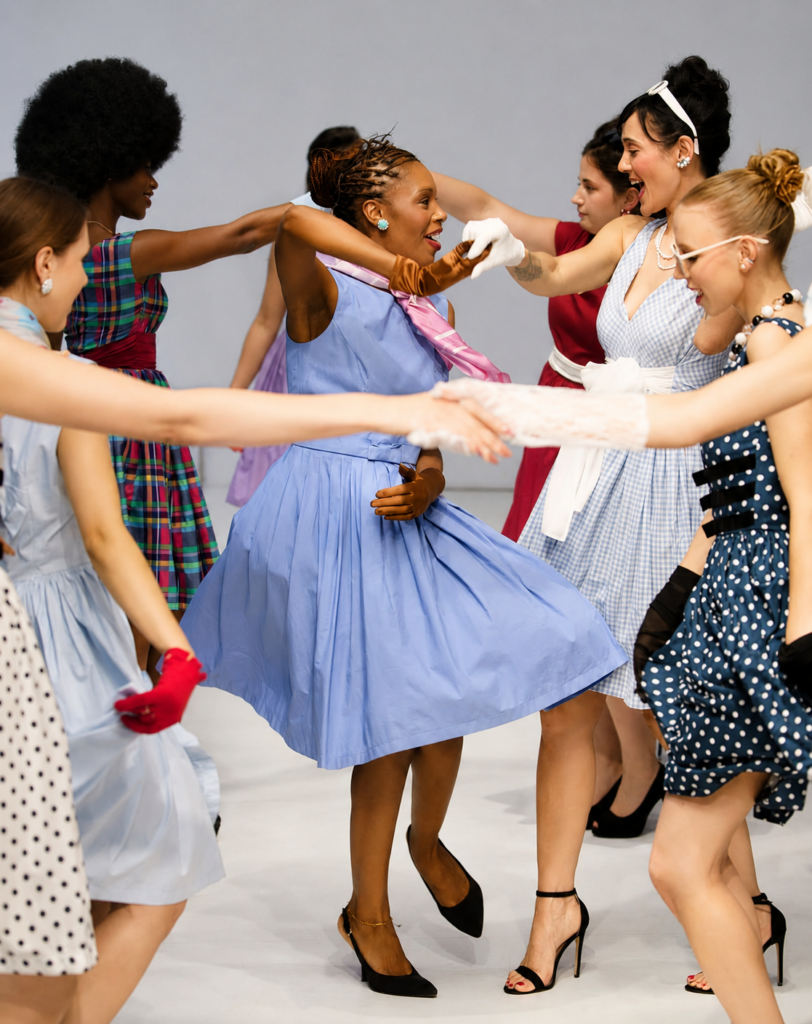
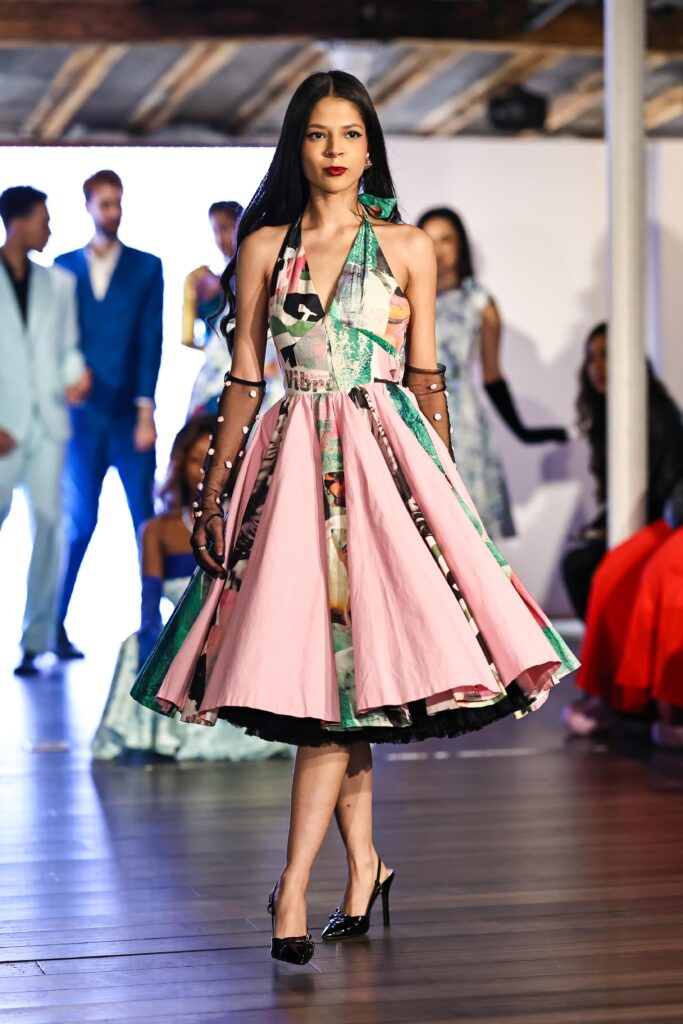
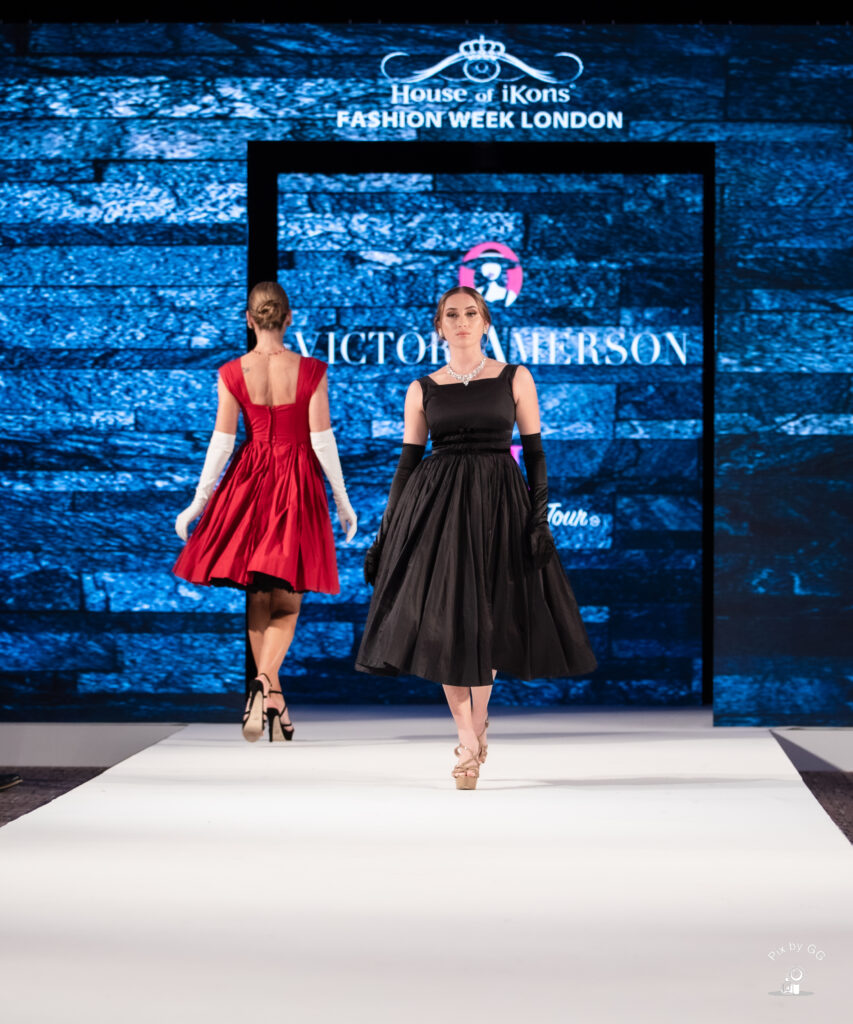
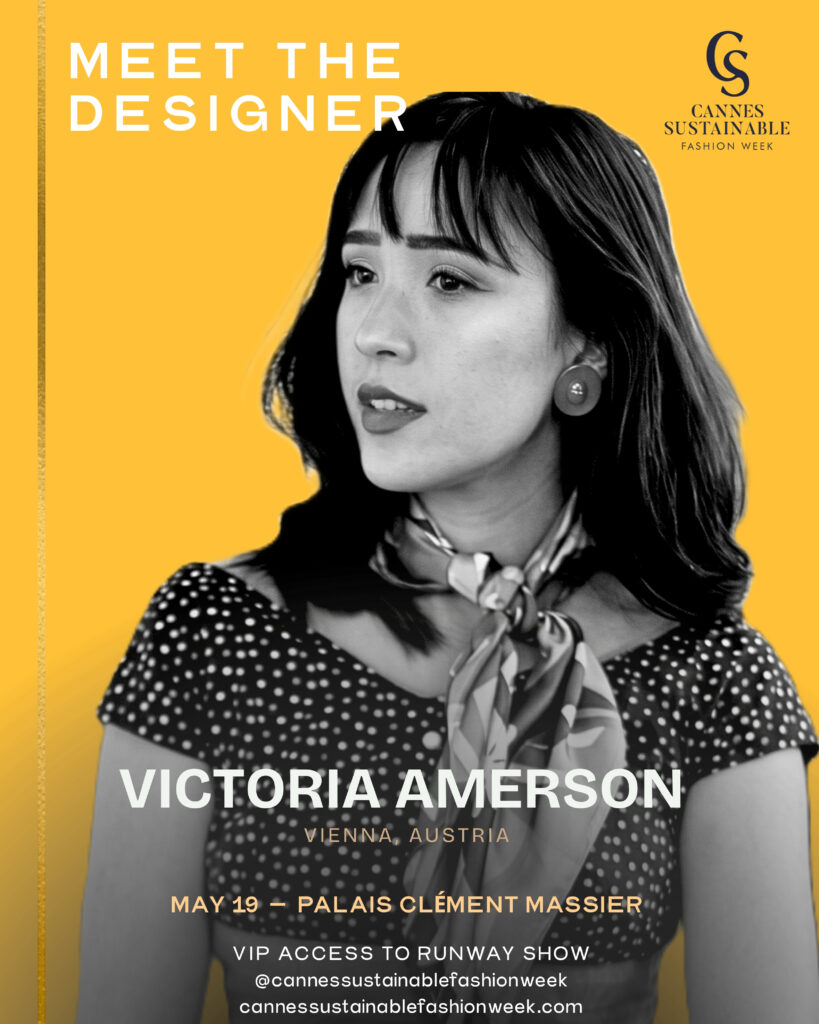
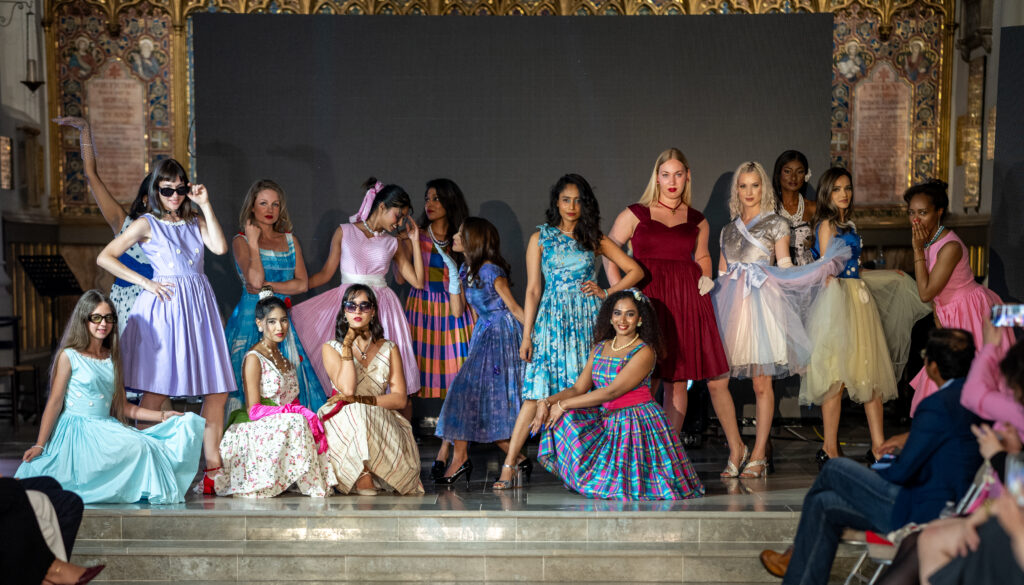
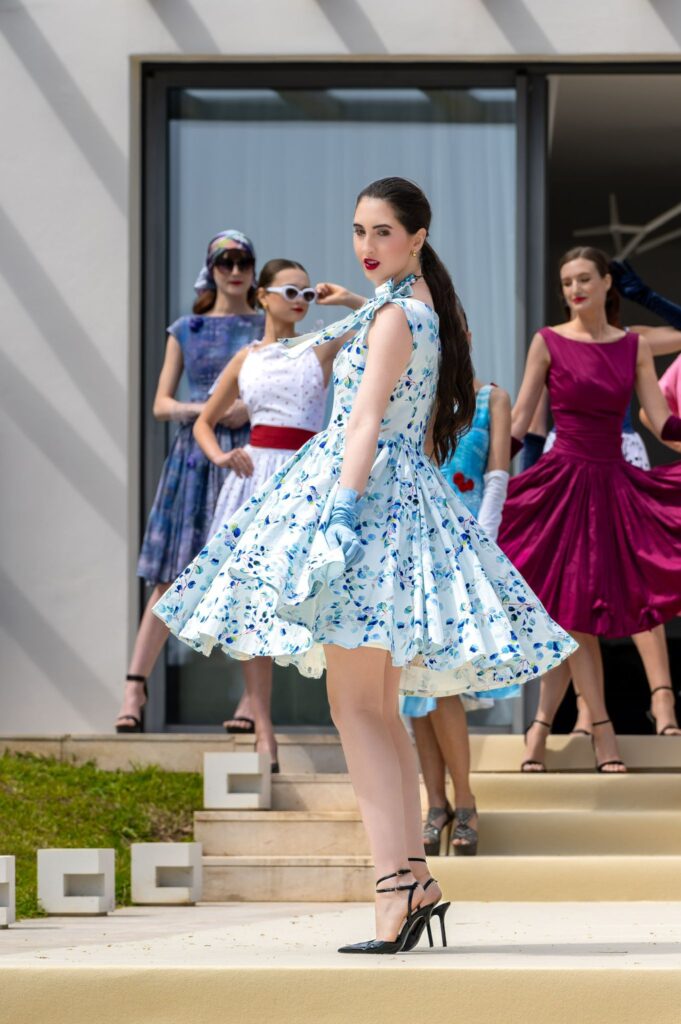
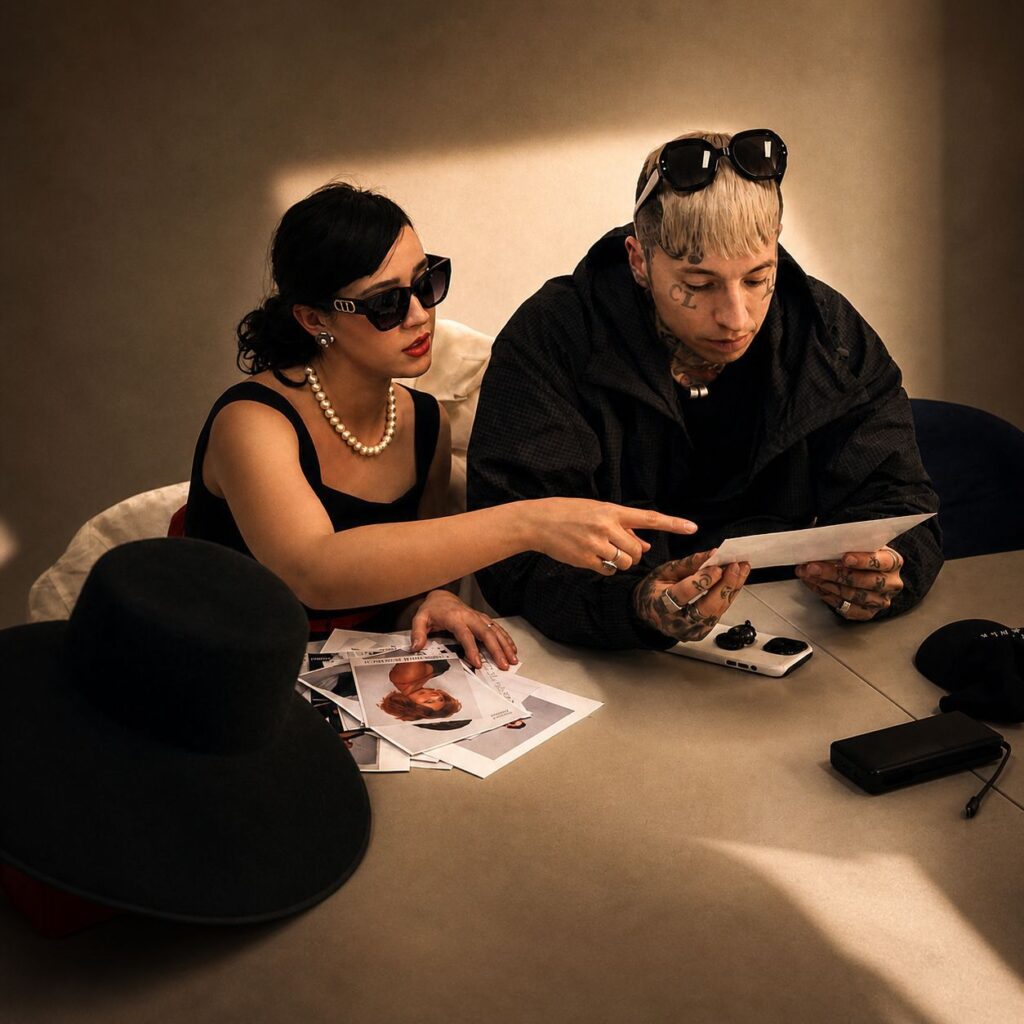
Photo Credit : Anton Dinev